
Table of Contents
The Art of Making Fountains for Beauty
Introduction: The Convergence of Element and Idea
The fountain is a unique and compelling art form, a testament to humanity’s enduring desire to harmonize the constructed with the natural. More than mere plumbing or decorative garden ornaments, the finest fountains are masterpieces of environmental sculpture. They are living entities that breathe, sing, and shimmer, transforming the static elements of stone, metal, and space through the dynamic infusion of water. The art of making fountains for beauty is a profound discipline that draws upon physics, architecture, sculpture, and a deep, intuitive understanding of the human senses.
It is the craft of capturing a fluid, formless substance and coaxing it into shape, giving it voice, and imbuing it with meaning. This essay explores the multifaceted artistry behind these aquatic creations, delving into the core principles that guide their design, the mastery of materials, the choreography of sound and light, and the ultimate goal of creating a space for contemplation and wonder.
I. The Foundational Dialogue: Water and Vessel
At its heart, a fountain is defined by the relationship between the water and the structure that contains and directs it. This is the foundational dialogue upon which all other elements are built. The artist must first conceive of this partnership: will the water be the dominant, expressive partner, or will it serve to highlight the solid, sculptural form?
In some fountains, the vessel is a dramatic, monolithic sculpture, and the water acts as an accent—a gentle veil washing over a bronze figure, or a thin sheet gliding across a granite plinth. Here, the water’s role is to animate the surface, to add a glossy, living skin to the inert material, catching the light and emphasizing the sculptor’s lines. The stone becomes slick and dark, its colors and textures deepened and enriched by the constant caress of the flow.
Conversely, the water can be the star. Consider the grand jets d’eau that soar hundreds of feet into the air. Here, the “vessel” is invisible—it is the air itself, the force of gravity, and the meticulously engineered nozzle that shapes the column. The architecture is minimal, perhaps a simple basin, serving only as a point of origin and a receiver for the falling water. The beauty is found in the sheer, audacious defiance of gravity, the perfect, shimmering column rising against the sky, and the dramatic, thunderous collapse back into the pool. The art lies in understanding water’s inherent properties—its viscosity, surface tension, and response to pressure—and using them to create forms of breathtaking purity.
II. The Sculptor’s Palette: Materials and Their Resonance
The choice of materials is a critical decision that dictates the fountain’s character, its longevity, and its dialogue with the environment. Each material carries its own history, texture, and manner of interacting with water.
- Stone: From the travertine favored by ancient Romans to sleek, polished granite, stone is a timeless choice. A rough-hewn stone fountain suggests a natural spring, an ancient, primordial source. The water gurgles and splashes over its uneven surfaces, creating a music that is irregular and organic. Polished stone, on the other hand, offers a modernist sensibility. Water sheets over its mirror-like surface in a flawless, silent plane, reflecting the sky and surrounding foliage with ethereal clarity. The coolness of stone, both visually and tactilely, provides a profound sense of permanence and calm.
- Metal: Bronze has been a preferred medium for centuries, prized for its strength, its ability to capture fine detail in casting, and its evolving patina. Over time, bronze develops a rich, greenish-blue surface that softens the metal’s rigidity and allows it to harmonize with the garden’s greenery. Copper and stainless steel offer more contemporary voices. Copper glows warmly in the sun and will eventually patinate, while stainless steel provides a crisp, reflective, and utterly modern surface, ideal for clean, geometric designs.
- Glass and Ceramic: These materials introduce color and fragility in a unique way. Glass tiles can create a dazzling, light-filled basin, fracturing the sunlight and casting dancing patterns onto surrounding surfaces. Ceramic fountains, often glazed in vibrant blues and greens, connect us to the elemental nature of water, echoing the forms of ancient vessels and the colors of the sea. The artist who works with these materials must be acutely aware of their relationship to water—how the light will pass through them, and how the constant moisture will make their colors sing.
III. Composing with Sound: The Music of Water
Perhaps the most enchanting aspect of a fountain is its voice. The sound of water is not a random byproduct; it is a compositional element as carefully considered as its visual form. The fountain artist is an acoustic sculptor, shaping sound through design.
A high, thin jet of water falling into a deep pool creates a sharp, staccato patter, an energetic and playful sound. A wide sheet of water, falling smoothly over a broad weir, produces a deeper, more sustained roar that can mask the noise of a nearby city, creating a private auditory sanctuary. A carefully constructed rill, where water trickles gently over a series of small stone steps, murmurs and chuckles, inviting quiet contemplation and close listening.
The artist achieves these effects by manipulating the surface the water strikes, the height of the fall, and the volume of the receiving pool. A shallow basin will create a splashing sound, while a deep one will produce a more resonant, muffled tone. The placement of stones within the pool can create a complex, layered soundscape. This auditory dimension transforms a visual spectacle into an immersive experience, engaging the ear and the mind, and often evoking deep-seated memories of rain, streams, and oceans.
IV. Light as the Fourth Dimension
While a fountain is beautiful by day, it can become truly magical at night. Light is the fourth dimension of fountain design, the element that can utterly transform its character. The artist does not simply illuminate the fountain; they use light to deconstruct and reimagine it.
Underwater lighting can turn the water itself into a glowing, liquid gem. By placing lights strategically, the artist can emphasize the movement of water—making a bubbling jet appear to glow from within, or illuminating the churning turbulence at the base of a cascade. Uplighting can transform a stone sculpture into a dramatic silhouette against the dark sky, while grazing light across a wall of water makes its texture and flow patterns visible.
Color adds another layer of emotional resonance. Cool blues and greens evoke a sense of tranquility and coolness, while warmer ambers and reds can create a feeling of energy and drama. The interplay of light and water is a dance of reflection and refraction. Light bends as it enters and exits the water, creating shimmering patterns, or caustics, that dance on the bottom of the pool and on surrounding surfaces, adding an ever-changing, kinetic artwork to the scene.
V. Integration and Intention: The Fountain in its Place
A fountain does not exist in a void. A masterful work of art is deeply sensitive to its site, whether it is a private courtyard, a public plaza, or a vast garden. The fountain must enter into a conversation with its surroundings.
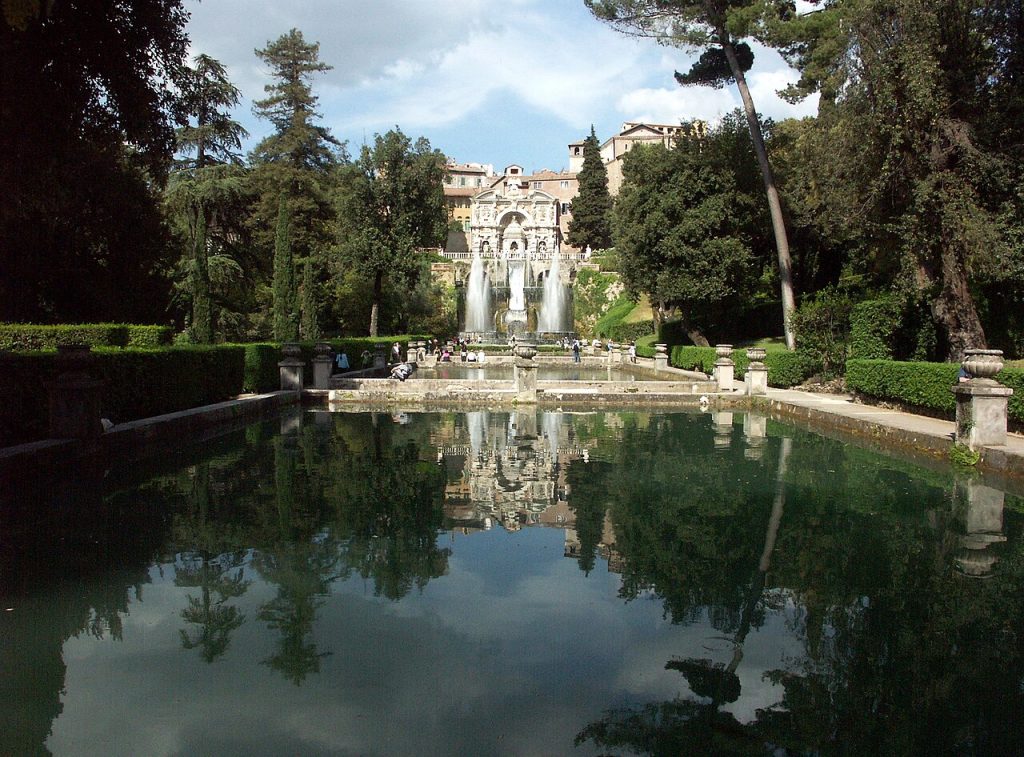
In a formal garden, a fountain might serve as a central axis point, a bold, symmetrical statement that anchors the geometric lines of the hedges and pathways. Its form echoes the human desire for order imposed upon nature. In a wild, naturalistic setting, a fountain might mimic a natural spring, appearing as a serendipitous discovery—a pool of water seeping from a moss-covered rock, its presence feeling less like an intrusion and more like an enhancement of the landscape’s inherent spirit.
The artist must also consider the fountain’s intention. Is it meant to be a dynamic focal point that draws people across a piazza? Is it a quiet, introspective piece for a secluded corner, where the sound of dripping water encourages meditation? Or is it an interactive work, inviting people to touch the water, to cool their hands, and to feel a direct, playful connection with the element? The success of a fountain is measured not only by its beauty but by its ability to fulfill its intended purpose and to enrich the lives of those who encounter it.
Conclusion: The Eternal Present
The art of making fountains for beauty is an act of creation that is never truly finished. Unlike a painting or a sculpture, a fountain is not static. It is a perpetual performance, a continuous interplay of water, light, air, and time. It responds to the breeze, which tears at its jets and carries its mist. It changes with the sun, which paints rainbows in its spray. It freezes in winter, transforming into a crystalline sculpture of ice. It is animated by the life around it, attracting birds to drink and children to play.
This ever-changing nature is the fountain’s greatest gift. It creates a point of focus that is always new, yet always ancient. It brings the wild, untamable force of nature into the realm of human artifice and holds it there in a moment of perfect, fleeting balance. The artist who masters this art does not simply build a structure; they compose a living, breathing moment—an eternal present where the solidity of stone meets the fluidity of water, where silence meets sound, and where we are reminded of the simple, profound beauty of the world in motion.

No responses yet